


Trying to understand your HOA’s finances or need specific documents for peace of mind? This guide explains how to get HOA financial documents, why transparency matters, and the steps you can take—wherever you live.

Why HOA financial transparency matters for homeowners
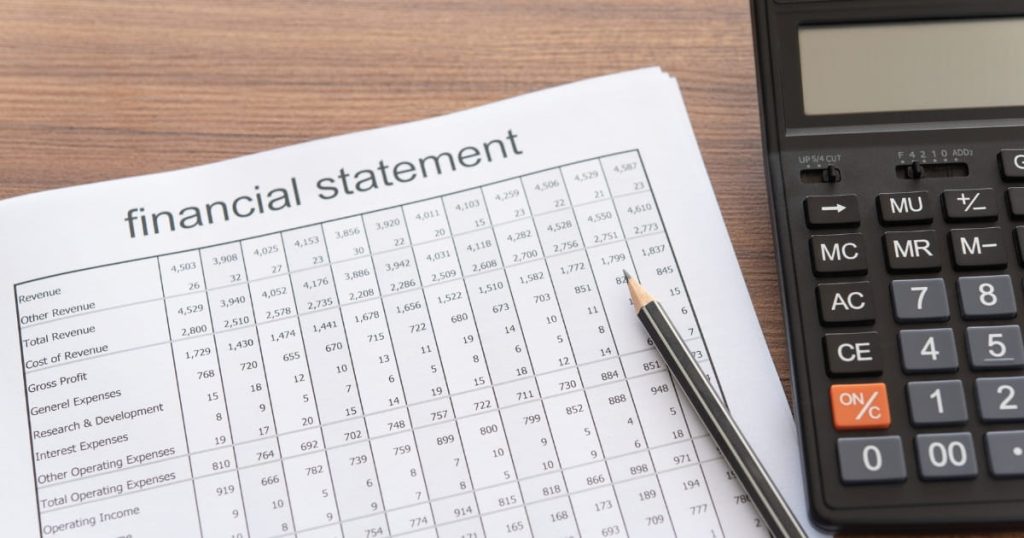
HOA financial documents show how your association collects, manages, and spends money. Common examples include annual budgets, balance sheets, income statements, reserve studies, and records of dues or assessments. These documents help you:
- See how dues and assessments are used
- Gauge the association’s financial health
- Understand upcoming expenses or special assessments
- Build trust between the board and members
Lack of transparency can lead to confusion, mistrust, or legal disputes. Without clear records, homeowners may worry about mismanagement, hidden debts, liens, or even foreclosure. For board members, accurate documentation is a fiduciary duty and helps resolve questions about spending, special assessments, or reserve funds—reducing personal liability risk.
Are HOA financial statements public?
HOA financial statements are not public in the traditional sense. Access is generally limited to:
- Homeowners or unit owners
- Board members
- Authorized agents (like management companies or auditors)
How access varies by state and governing documents
State laws and your HOA’s governing documents set the rules. For example:
- California: Homeowners have broad rights to inspect financial records under Civil Code Section 5200.
- Florida: Chapter 720 requires HOAs to make financial records available to members within 10 business days of a written request.
- Georgia: Access often depends on your governing documents; state law is less specific.
Non‑members—like prospective buyers or lenders—usually can’t access full financial documents unless required by law or the HOA’s rules. However, HOAs may issue summary statements or certificates (e.g., confirming no outstanding liens or foreclosure actions) during real estate transactions.
When might non‑members seek access?
Real estate agents, lenders, or buyers may request limited financial information to assess the association’s health. HOAs often provide summaries, not full reports, in these cases.

How to get HOA financial documents?
The process is usually straightforward:
- Check your governing documents: Review the CC&Rs, bylaws, or rules to understand your rights and the HOA’s obligations.
- Identify what you need: Be specific—annual budgets, balance sheets, reserve studies, etc.
- Submit a written request: Send an email or letter to the board or management. Specify the documents and time frame.
- Wait for a response: State law or your documents may set a deadline (often 5–30 days).
- Access the documents: Many HOAs use online portals; others may provide paper copies or require an in-person review.
If your HOA has an online portal, check their website or contact management for access. Otherwise, you may need to schedule an in-person review or request mailed copies.

Tips for requesting documents
- Be clear and polite in your request
- Cite your rights under state law or governing documents if needed
- Keep a record of your request and responses
- Request digital copies when possible
Referencing the relevant law or bylaw section can help if you meet resistance.
Typical documents available for request
- Budgets (current and past)
- Balance sheets
- Income and expense statements
- Reserve studies
- Assessment and delinquency records
- Master insurance policy summaries
Special assessment records, major project documentation, or recent audits may also be available and can provide insight into upcoming costs and the association’s financial stability.

How to get HOA financial documents in specific states
Access varies by state. Here’s a brief overview:
How to get HOA financial documents in California
California law (Civil Code Section 5200–5240) gives homeowners strong rights to inspect and copy financial records within 10 business days of a written request. HOAs must provide annual budget reports, reserve funding details, insurance summaries, and lien status. Some exclusions apply, like personnel or litigation records.
How to get HOA financial documents in Florida
Florida Statutes (Chapter 720 for HOAs, Chapter 718 for condos) require HOAs to provide official financial records within 10 business days of a written request. HOAs must keep detailed annual reports and records of assessments, receipts, and expenditures.
How to get HOA financial documents in Georgia
In Georgia, access is usually governed by your association’s bylaws or CC&Rs. Submit a formal request to the board or manager. If denied, review your documents and consider seeking professional support or mediation.
How to request HOA financial statements
Steps for homeowners:
- Find the right contact: Usually the board secretary or property manager.
- Write a formal request: Be clear and respectful. Example: “I am requesting copies of the annual budget and reserve study for the last two years.”
- Send by email or certified mail: This provides documentation of your request.
- Follow up: If you don’t get a response within the required time, send a polite reminder.
- Escalate if needed: If denied, review your rights and consider consulting an HOA attorney, especially for persistent transparency issues.
Board members and managers should acknowledge requests promptly and provide a timeline. Keeping a standard request form can streamline the process.
What to do if the HOA is unresponsive
- Review your governing documents and state law for enforcement options
- Contact your state’s regulatory agency if available
- Consider mediation or legal support if the issue persists
Persistent lack of transparency can signal deeper issues. Document your requests and responses, and don’t hesitate to seek support if you suspect mismanagement or fraud.
Need personalized guidance?
Explore our library of resources for forms, tools, guides, and best practices. For personalized support from an HOA attorney, check out our membership plans. Join us and start building a stronger community today.

