
Ever wonder why your neighbor’s insurance bill is half yours, even though your homes look nearly identical? You’re not alone.
Homeowners insurance is one of those sneaky costs that can vary wildly depending on things most people never think about, like your ZIP code, roof type, or even how close you are to a fire station.
So, how much is homeowners’ insurance? On average, it ranges from $1,200 to $2,000 per year, but that number can swing dramatically based on where you live, what your home is worth, and the risks tied to your property.
The truth is, homeowners’ insurance isn’t one-size-fits-all. And if you’re part of a homeowners association, there’s an added layer of complexity—what the HOA covers vs. what you’re still on the hook for.
In this guide, we’ll break everything down in plain English: what it really costs, why it fluctuates so much, how your coverage choices matter, and what you can do to save. Whether you’re a first-time homeowner or a seasoned HOA board member, this is the no-nonsense insurance breakdown you’ve been looking for.

What Is Homeowners Insurance and What Does It Cover?
Homeowners insurance is a financial safety net. When disasters strike, whether it’s a fire, theft, or major storm, this policy helps cover the cost to repair or replace your home and belongings.
But it does more than that. It also protects you legally if someone gets hurt on your property and sues you.
Core Coverage Areas
Most standard homeowners’ insurance policies are built around six main pillars:
- Dwelling coverage: This pays to repair or rebuild your home’s structure if it’s damaged by a covered event.
- Other structures: Think detached garages, fences, and sheds—this covers those.
- Personal property: Covers your belongings, like furniture, electronics, and clothing, whether they’re damaged at home or stolen elsewhere.
- Loss of use (ALE): Pays for hotel stays or rentals if your home becomes uninhabitable during repairs.
- Personal liability: Offers protection if someone sues you over an injury or property damage.
- Medical payments: Covers minor injuries to guests, regardless of who was at fault.
What It Doesn’t Cover
Important to note: Homeowners’ insurance doesn’t cover every kind of damage. Standard policies exclude floods, earthquakes, and maintenance-related issues. You’ll need separate policies or riders for those.
And if you’re in a condo or HOA community, coverage can get more nuanced. You’ll need to know what the association’s master policy includes and where your personal policy should begin. That overlap (or lack of it) can cost you if something goes wrong.
Next, let’s talk real numbers—how much this protection actually costs.
How Much Is Homeowners Insurance in the U.S.?—National Averages
According to the National Association of Insurance Commissioners (NAIC), the average annual homeowners insurance premium in the U.S. is around $1,428. That breaks down to about $119 per month.
But keep in mind, that’s just a national average. Your actual cost could be quite a bit higher or lower depending on several variables, including where you live, the size and age of your home, and how much coverage you choose.
For example, homeowners in Oregon or Utah might pay closer to $900 per year, while those in Florida or Louisiana could be paying well over $3,000 annually. So while the national average gives us a general idea, it’s not the number to plan your budget around.
Here’s a quick glance at typical costs by region:
- Northeast: $1,000–$1,400/year
- Midwest: $1,200–$1,600/year
- South: $1,600–$2,500+/year
- West: $1,000–$1,800/year
And yes, these numbers are climbing. Climate events, rising construction costs, and even supply chain delays have driven premiums up in recent years. The Insurance Information Institute reports that 2023 saw double-digit rate increases in 31 states, largely due to natural disasters and inflation. So what makes some places more expensive than others? Let’s dig into geography next.
Cost by State: Why Location Shapes Your Insurance Rate
Home insurance is hyperlocal. Your state, city, and even your street can affect how much you pay. Why? Because insurers are assessing risk, and risk is not evenly distributed across the country. Here’s how location plays into your cost:
1. Weather and Natural Disasters
States prone to hurricanes, floods, wildfires, or tornadoes often come with significantly higher premiums. If you live in Florida, Louisiana, Texas, or California, you’re likely paying more due to consistent exposure to catastrophic events.
FEMA has detailed maps showing flood risk by area, which insurers use alongside historical storm data to price policies. If you’re near the coast, in a wildfire-prone forest, or even in a zone with high hail frequency, expect your rate to reflect that.

2. Construction and Labor Costs
The cost to rebuild your home also varies dramatically by region. If you live in a high-cost area where materials and skilled labor are expensive, your dwelling coverage limit (and therefore your premium) will be higher.
3. State Regulations
Some states regulate insurance pricing more tightly than others. For example, California’s Department of Insurance requires strict approval before rate increases, while other states give insurers more pricing flexibility. These legal frameworks directly influence market behavior and pricing.
What Affects Your Homeowners Insurance Premium?—Top 10 Factors
Now that we’ve covered the “where,” let’s cover the “why.” Insurance premiums are calculated using a mix of property details, personal history, and policy choices. Here are the top 10 factors that shape your rate:
1. Home Value and Rebuilding Cost
Insurers care about what it would cost to rebuild your home—not what you paid for it. Higher-value homes = higher coverage limits = higher premiums.

2. Location Risks
If your property is in a high-risk zone for floods, wildfires, or earthquakes, your base rate will go up, even before you add specialty coverage.
3. Age and Condition of the Home
Older homes often have outdated plumbing, wiring, or roofs—all of which raise risk in the eyes of insurers. Newer homes or those with recent upgrades usually enjoy lower rates.
4. Roof Type and Age
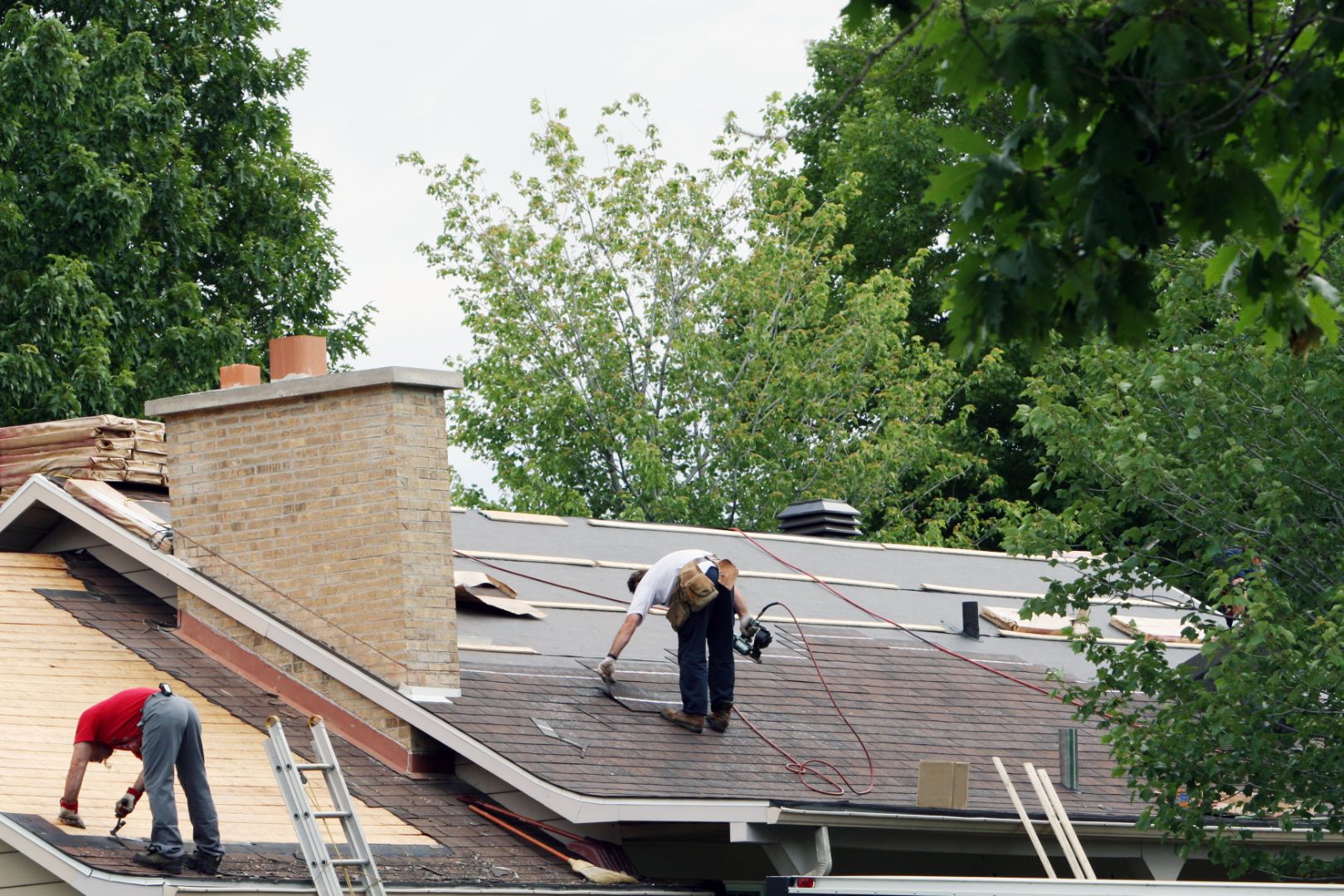
Roofs are a big deal. A new, impact-resistant roof can earn you a discount. On the other hand, an aging or wood-shingled roof can drive your premium up.
5. Coverage Limits and Policy Type
If you choose replacement cost coverage instead of actual cash value, you’ll pay more, but you’ll also be better protected when it counts.
6. Deductible Amount
A higher deductible = a lower premium. But it also means you’ll pay more out of pocket before your coverage kicks in. It’s all about risk tolerance.
7. Credit Score (in most states)
Many insurers use your insurance score, which includes your credit history, to predict the likelihood of a claim. A lower score can lead to a higher premium. (Note: some states, like California, ban this practice.)
8. Claims History
If you’ve filed multiple claims in the past 5–7 years, insurers may view you as higher risk—even if the claims weren’t your fault.
9. Safety Features and Upgrades
You may qualify for discounts if you have monitored alarms, fire sprinklers, deadbolt locks, or other approved safety upgrades.
10. Pets and Liability Risks
Certain dog breeds or exotic pets can increase your liability risk—and your premium. So can trampolines and swimming pools.

Even how you shop for insurance can affect the quote. Online tools and brokers can help compare multiple carriers, but independent agents may find better deals tailored to your specific home and location.
In the next section, we’ll look at how homeowners’ associations impact your insurance needs and where your personal policy may need to pick up the slack.
How HOAs Influence Insurance Needs and Costs
If you live in a homeowners association, your insurance situation isn’t just about your personal property. The HOA’s master policy plays a big role in what you do (and don’t) need to cover—and it can affect your premium in both directions.
What the HOA Covers
Most HOAs carry a master insurance policy that protects common areas like sidewalks, swimming pools, roofs, elevators, lobbies, and shared walls. This policy is usually paid for through your HOA dues and provides either:
- Walls-out coverage: Covers the exterior and common elements of the building only.
- All-in coverage: Covers interior fixtures (cabinets, appliances, flooring) in addition to the structure.
The type of policy your HOA carries determines what you still need to insure under your personal homeowners policy.
What You’re Still Responsible For
If the master policy stops at the exterior walls, then everything inside—drywall, paint, flooring, personal belongings, and liability—falls on you. You’ll need an HO-6 policy, also known as condo insurance, which includes:
- Personal property coverage
- Interior structural elements (if not covered by the HOA)
- Loss assessment coverage (for shared liability expenses)
- Personal liability protection
It’s essential to read both your HOA’s policy and bylaws carefully. There can be significant gaps if your coverage doesn’t align properly—and those gaps often show up at the worst possible time.
Types of Coverage That Affect Cost
Now let’s break down the different types of coverage within your homeowners insurance policy and how each one impacts your premium.
1. Dwelling Coverage
This is the backbone of your policy. It covers the cost to rebuild your home’s structure in case of damage from fire, wind, hail, lightning, and other covered perils. The higher your dwelling limit, the higher your premium.
Insurers typically recommend covering 100% of the replacement cost. Note: that’s not the same as market value. If rebuilding your home would cost $400,000, that’s the number your policy should reflect—not the price you paid when you bought it.

2. Other Structures
This part covers things like detached garages, fences, sheds, and mailboxes—typically at 10% of your dwelling coverage limit. It adds a small cost to your premium but is automatically included in most standard policies.
3. Personal Property
This covers belongings like furniture, clothes, electronics, and tools. It’s usually set at 50% to 70% of your dwelling coverage, though you can adjust it. If you own high-value items like jewelry or musical instruments, you may need to add a scheduled personal property endorsement, which will increase your premium.
4. Loss of Use
Also called additional living expenses (ALE), this pays for temporary housing and meals if your home becomes uninhabitable. It’s generally 20% of your dwelling limit and comes standard, but you can increase the coverage if you live in a high-cost area.
5. Personal Liability
This protects you if someone gets hurt on your property and sues. It covers legal fees, medical bills, and damages. A typical policy includes $100,000 to $500,000, but many experts recommend $300,000 or more, especially for homeowners with pools, pets, or frequent guests.
6. Medical Payments to Others
This is for smaller injury claims—like a guest tripping on your porch—not tied to lawsuits. It’s typically $1,000 to $5,000 and doesn’t cost much to include.
7. Replacement Cost vs. Actual Cash Value
Choosing replacement cost coverage means your insurer pays what it costs to replace an item today, without deducting for depreciation. It costs more than actual cash value, but offers better protection and peace of mind.
How Deductibles Work and How They Impact Your Premium
Your deductible is the amount you agree to pay out of pocket before your insurance kicks in. It’s one of the most direct ways to control your premium.
Let’s say your policy has a $1,000 deductible and a hailstorm causes $12,000 in roof damage. You’ll pay the first $1,000, and your insurer covers the remaining $11,000. Simple enough—but your deductible choice can make a big difference over time.

Types of Deductibles
There are two common types:
- Flat deductibles: A fixed dollar amount, like $500 or $2,500.
- Percentage deductibles: Often used for wind or hurricane damage, based on a percentage (1%–5%) of your home’s insured value. A 2% deductible on a $400,000 home = $8,000 out of pocket.
How Deductibles Affect Your Premium
Higher deductibles lower your premium because you’re taking on more of the risk. Lower deductibles raise your premium—but reduce what you pay out of pocket when something happens.
For example:
- $500 deductible = higher annual premium
- $2,000 deductible = lower annual premium
What’s the Right Choice?
It depends on your financial cushion. If you can easily absorb a few thousand dollars during an emergency, a high deductible may make sense and save you money in the long run. But if you’d struggle to pay a big chunk out of pocket, a lower deductible offers better protection.
Just be aware: insurers often won’t let you change your deductible mid-policy unless you’re renewing or adjusting your coverage. Make the choice carefully and revisit it as your situation changes.
Optional Add-Ons That Increase Insurance Cost
Standard homeowners insurance is comprehensive, but not complete. Depending on where you live and what you own, you may need optional endorsements or add-on policies.
These can significantly increase your annual premium, but they can also prevent catastrophic financial loss.
1. Flood Insurance
Standard homeowners’ insurance does not cover flood damage. If you’re in a high-risk zone, your mortgage lender may require a separate flood insurance policy, typically through the National Flood Insurance Program (NFIP).
Even outside flood zones, it’s worth considering. FEMA reports that more than 20% of flood claims come from low- to moderate-risk areas. Depending on your home’s elevation and location, premiums can range from a few hundred to several thousand dollars annually.
2. Earthquake Coverage
In places like California, Washington, and parts of the Midwest, earthquakes are a real risk, but not included in standard policies. You’ll need to purchase separate earthquake insurance, often with high deductibles (10%–20% of the dwelling limit). It’s an added cost, but one major quake can destroy a home.
3. Sewer Backup Coverage
This rider covers water damage caused by backed-up drains or failed sump pumps. It’s surprisingly common and relatively inexpensive to add.
4. Umbrella Liability Insurance
If your liability exposure exceeds your homeowners policy limits, umbrella coverage gives you an extra $1–5 million in liability protection. It’s especially valuable if you have a pool, trampoline, large property, or frequent guests.
5. Home-Based Business Coverage
Running a small business out of your home? Your standard policy likely won’t cover business-related losses, such as stolen inventory or equipment damage. You may need a home business endorsement or separate policy, depending on the scope of your work.
What’s Not Covered: Common Exclusions That Can Surprise You
Knowing what’s not covered is just as important as knowing what is. Too often, homeowners file a claim only to learn their policy doesn’t apply. These common exclusions can leave you financially exposed if you’re not prepared.
1. Flood and Earthquake Damage
As mentioned above, these require separate coverage. Many homeowners don’t realize this until it’s too late. Use FEMA’s flood risk tool to see whether you’re in a vulnerable zone.
2. Mold, Rot, and Pests
Insurers generally exclude damage from mold, termites, rodents, or rot unless it’s caused by a covered event (like a burst pipe). Routine maintenance issues are considered preventable and are on you.
3. Wear and Tear
Homeowners insurance isn’t a maintenance plan. If your roof is 25 years old and starts leaking, you can’t expect a payout. The same goes for aging plumbing, HVAC systems, or appliances.
4. Negligence and Intentional Damage
If the damage stems from neglect—say, ignoring a small leak until it ruins your floors—your insurer may deny the claim. And any damage you cause intentionally, of course, is completely excluded.
5. High-Value Items (Without Endorsements)
Most policies cap reimbursement for categories like jewelry, art, firearms, or collectibles. If you haven’t scheduled these items with additional coverage, you may be limited to a few thousand dollars, regardless of the item’s true value.
6. Power Failure and Utility-Related Losses
If you lose power and your fridge full of groceries spoils, or a utility outage causes damage to your electronics, your standard policy may not cover it, unless it stems from a covered peril.
Understanding exclusions helps you avoid false expectations and plan smarter. If something is important to you, ask your agent specifically whether it’s covered and get it in writing if needed.
How to Lower Your Homeowners Insurance Cost
Now for the good news: you’re not stuck with a high premium. There are smart ways to reduce your homeowners insurance costs without cutting corners on coverage.
1. Raise Your Deductible
As discussed earlier, increasing your deductible can dramatically lower your annual premium. Just make sure you’re financially prepared to cover that deductible in the event of a claim.
2. Bundle Policies
Most insurers offer discounts when you bundle home and auto insurance. The discount can be anywhere from 10% to 25%, depending on the company. It’s an easy win, and it also streamlines your billing and service.
3. Improve Home Security
Installing a monitored alarm system, smart smoke detectors, or deadbolt locks can earn you discounts. In some states, adding a sprinkler system or storm shutters could reduce your premium even further.
4. Maintain Good Credit
In most states, insurers use a credit-based insurance score to assess risk. Paying your bills on time and keeping your credit utilization low can result in a better rate. (Note: states like California, Massachusetts, and Maryland restrict or ban this practice.)
5. Avoid Small Claims
Frequent claims, even minor ones, can raise your rates or get you dropped altogether. If the repair cost is close to your deductible, consider paying out of pocket to avoid long-term premium hikes.
6. Shop Around Every Few Years
Don’t assume your current insurer is still the best deal. Use comparison tools from sources like NerdWallet or Bankrate, or consult an independent insurance agent who can shop multiple carriers on your behalf.
7. Update Your Coverage Regularly
If you’ve recently replaced your roof, added security features, or renovated your home, tell your insurer. You may be eligible for discounts or need to raise your coverage to reflect a higher rebuild value.
A little maintenance and proactive review can save you hundreds of dollars per year and still give you the protection you need. In the next section, we’ll take a closer look at the rising impact of natural disasters on insurance availability and cost.
Homeowners Insurance and Natural Disasters: A Growing Concern
The rising cost of homeowners’ insurance isn’t just about inflation; it’s about risk. More specifically, natural disaster risk, which is becoming more intense and more frequent across the U.S.
According to the Insurance Information Institute, catastrophic events caused over $100 billion in insured losses in 2022 alone. And insurers are adjusting their rates and their willingness to write new policies accordingly.
Climate Change and Insurance Availability
In recent years, several major insurance providers have pulled out of high-risk areas altogether. For example:
- In California, major carriers like State Farm and Allstate paused writing new homeowners policies due to wildfire risk and rising repair costs.
- In Florida, insurers have exited or failed, leaving the state-run Citizens Property Insurance Corporation to pick up the slack.
- In parts of Louisiana and Texas, coastal homeowners face steep increases or struggle to get coverage at all.
The bottom line? If you live in a region prone to wildfires, floods, hurricanes, or extreme weather, expect your premiums to reflect that, even if your specific home hasn’t been affected yet.
Higher Deductibles and Special Terms
In these high-risk zones, insurers often include percentage-based deductibles for wind or hurricane damage. So instead of a flat $1,000 deductible, you may be responsible for 2% of your dwelling coverage—a $400,000 policy means an $8,000 out-of-pocket expense before coverage even begins.
Some companies are also imposing coverage caps, limiting how much they’ll pay out, or requiring special inspections before issuing policies. These measures help insurers manage risk, but they leave homeowners with fewer options and more responsibility.
Getting an Accurate Quote: What Insurers Need to Know
If you’re shopping for a policy or just curious if your current rate is fair, you’ll need to get a detailed quote. It’s an opportunity to confirm you have the right type and amount of coverage.
Here’s what insurers typically ask for when preparing a homeowners insurance quote:
1. Property Information
You’ll need to provide key facts about your home, such as:
- Address and ZIP code
- Year built and square footage
- Number of stories and bathrooms
- Roof type, age, and material
- Foundation type
- Heating and cooling systems
- Construction type (brick, frame, stucco, etc.)
2. Safety Features
Installing certain safety systems can unlock discounts. Be ready to disclose if you have:
- A central fire or burglar alarm
- Deadbolt locks
- Sprinkler systems
- Storm shutters or reinforced roofing
- Fire extinguishers or carbon monoxide detectors
3. Recent Renovations or Upgrades
Have you recently replaced the roof, updated your plumbing, or remodeled the kitchen? These improvements can influence both your dwelling coverage amount and your rate. Insurers may ask for proof—photos, receipts, or inspection reports.
4. Personal Information
While it varies by state, many insurers consider:
- Your insurance history (any claims in the past five to seven years)
- Your credit-based insurance score (used to assess risk)
- Whether you work from home or run a business
- If you have dogs, trampolines, or pools, these add liability exposure
5. Coverage Choices
Be prepared to choose:
- Your dwelling limit (the rebuild value of your home)
- Your personal property limit
- Your deductible (flat or percentage)
- Any endorsements or add-ons
- Liability limits, especially if you entertain guests often
If you’re unsure how to calculate your coverage needs, many homeowners turn to replacement cost estimators, available from insurers or independent agents. Don’t base your dwelling limit on the home’s market value; it’s about what it would cost to rebuild from the ground up.
When HOA Boards Should Get Involved
If you’re on a homeowners association board or managing one, understanding how insurance works isn’t optional. It’s essential. Mistakes in this area can lead to unfunded damage, legal issues, or unhappy members stuck with unexpected bills.
Clarify the Master Policy
The board should know exactly what the HOA’s master policy covers. Is it walls-in? Walls-out? Does it include sewer backups or flood damage? These details determine what kind of personal coverage your members need and what gaps they may face.
Misunderstandings often happen during claims. A resident may assume the HOA’s policy covers interior damage, only to learn they’re responsible for the drywall, flooring, or even plumbing inside their unit.
Require Proof of Insurance
Many HOAs are now requiring homeowners, especially condo owners, to submit annual proof of individual insurance. This protects the community from uncovered damages and ensures everyone is financially responsible for their share.
It also helps with risk pooling. Insurers may view the community more favorably if everyone carries personal liability and proper dwelling coverage, potentially reducing HOA premiums overall.

Educate Members Proactively
Boards should provide clear guidance on what types of insurance are needed and where to get help. Consider hosting an annual meeting with a local insurance agent or attorney to review common questions.
If your HOA has specific insurance requirements written into the CC&Rs (Covenants, Conditions, and Restrictions), make sure residents understand them. A quick summary sheet or guide can go a long way.
Coordinate with Legal and Financial Planning
Insurance isn’t just about risk but also about financial stability. Work with your HOA attorney to make sure coverage aligns with governing documents and reserve planning. For major shared assets (roofs, elevators, pools), underinsurance can wreck a budget fast.
Many associations consult outside experts, like community insurance specialists or legal advisors, to audit policies annually. If your board hasn’t done this yet, it may be time.
Frequently Asked Questions (FAQs)
- What’s the cheapest state for homeowners’ insurance?
As of the most recent data, Hawaii consistently ranks as the cheapest state, with average annual premiums often under $500. States like Oregon, Utah, and Idaho also offer relatively low rates due to low natural disaster risk and moderate rebuilding costs. - Why is my neighbor paying less?
Even if your homes are similar, small differences in claims history, credit score, roof age, or safety features can lead to different premiums. Some insurers also offer loyalty or bundle discounts that affect individual pricing. - Is homeowners’ insurance required by law?
No federal law requires homeowners’ insurance, but if you have a mortgage, your lender almost certainly does. If you’re mortgage-free, insurance is technically optional but extremely risky to skip. - Can I change insurers mid-policy?
Yes, you can switch carriers at any time. Just make sure your new policy is active before you cancel the old one to avoid coverage gaps. Some insurers even refund unused premiums on a prorated basis. - Is it tax-deductible?
In most cases, no; homeowners’ insurance is considered a personal expense. However, if you run a home-based business or rent out part of your home, a portion of your premium may be deductible. Always check with a tax advisor to be sure.
Wrapping Up: Make Your Coverage Count
Homeowners insurance isn’t just another line item on your budget; it’s a critical safeguard for your home, your belongings, and your financial peace of mind. While costs vary depending on where you live, what you own, and how you’re covered, the key is understanding your risks and making sure your policy fits your real needs.
Don’t settle for guesswork. Whether you’re a homeowner navigating confusing policy terms or part of an HOA board trying to align master coverage with individual needs, the right support makes all the difference.
Need expert guidance?
Our members get unlimited personal support from a licensed HOA attorney, so you’re never left decoding fine print alone.
Ready to take the guesswork out of insurance decisions? Join us today and get the clarity you deserve.