


Mold is one of those words homeowners hope they never have to think about until they suddenly do. A dark spot on a ceiling, a musty smell that will not go away, and a contractor casually mentioning remediation.
At that moment, the question is no longer academic. Does homeowners insurance cover mold, or is this about to become an expensive surprise?
The frustrating truth is that mold coverage is not a simple yes or no. It depends on how the mold started, how quickly it was addressed, what your policy actually says, and sometimes who is reading that policy. Two homes with the same problem can receive very different answers from the same insurer.
This guide breaks down mold coverage in plain language. You will learn when insurance typically pays, when it does not, how HOAs factor into the equation, and what steps protect you before and after mold forms.

Why Mold Coverage Is One of the Most Misunderstood Parts of Homeowners Insurance
Mold doesn’t just grow in damp corners; it grows in the gaps of your insurance policy, too. One of the most frustrating experiences for homeowners is discovering that something they thought was covered turns out not to be. Mold is at the top of that list.
It’s easy to assume mold is just another kind of damage. If your ceiling collapses from a leak, insurance helps. So if that leak causes mold, that’s covered too… right? Not always.
Whether or not your homeowners insurance covers mold depends heavily on what caused the mold, how fast you addressed it, and how your insurer interprets the details.
Even small differences can lead to very different outcomes:
- If mold is caused by a sudden pipe burst, you might be covered.
- If it’s from a long-term leak under the sink, you’re probably not.
- If water entered during a storm but you didn’t report it quickly, you may be denied.
- If it’s from a flood, standard homeowners insurance doesn’t help at all.
The confusion isn’t just among homeowners. Insurance adjusters, contractors, and even agents often give conflicting answers. Mold claims are one of the most frequently misunderstood types of property damage. And once a claim is denied, it’s hard to undo the outcome.
This is why it’s crucial to understand your own policy—and how insurers typically treat mold—before it becomes an issue. You don’t need to be an insurance expert. But a clear grasp of the basics could save you thousands of dollars and weeks of stress.
The Core Rule: When Homeowners Insurance Covers Mold
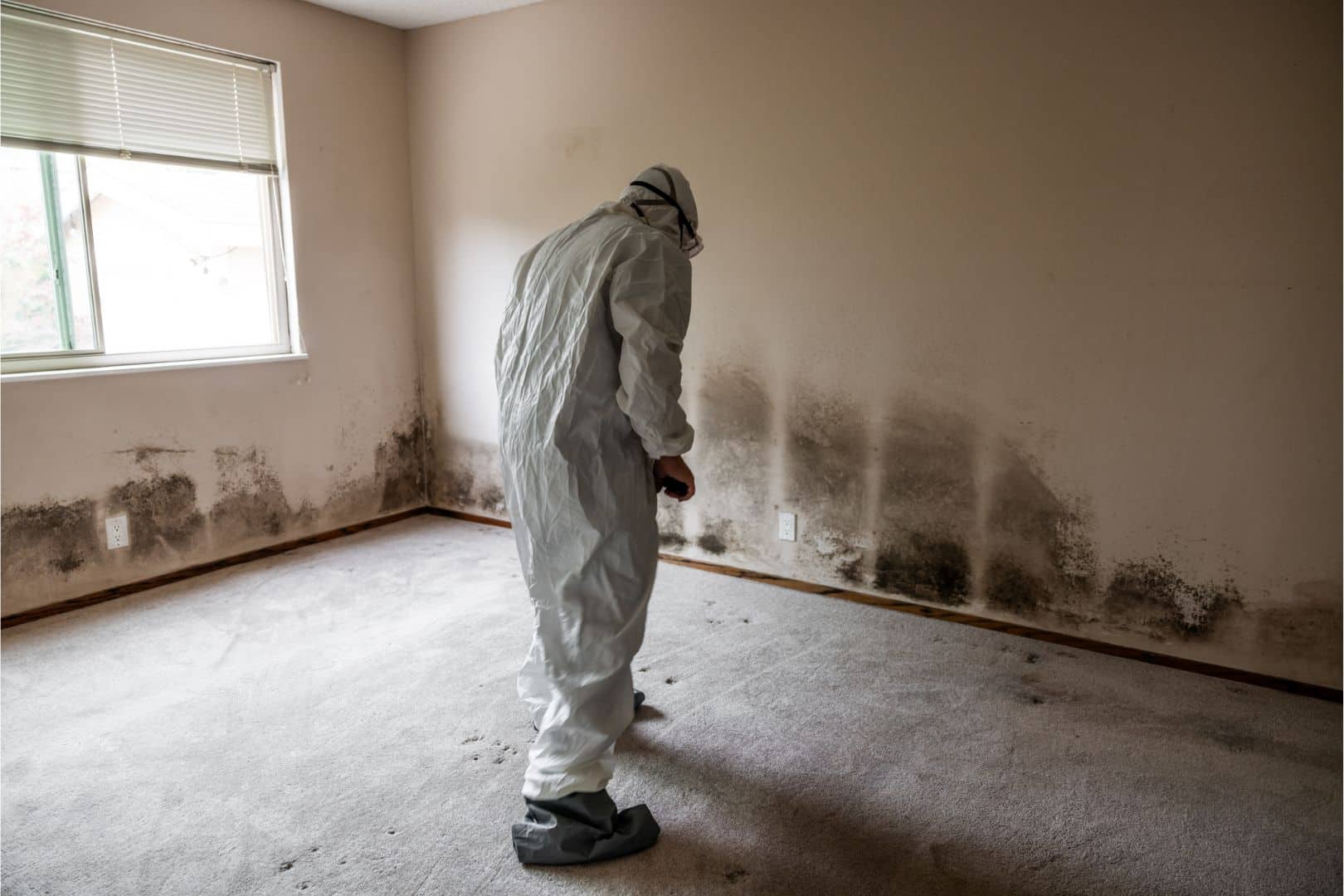
If you take just one thing away from this article, let it be this: mold is only covered by homeowners insurance when it’s caused by a covered peril. That phrase—covered peril—is the key to unlocking your policy’s logic.
A “covered peril” is an event or type of damage that your insurer has agreed to protect you from. Think of things like sudden pipe bursts, windstorms, or accidental overflow from a washing machine. If mold is a direct result of that covered event, and you reported it promptly, then your policy may help pay for cleanup and repairs.
Examples of Covered Mold Scenarios:
- A water heater fails suddenly and leaks into the walls, and mold begins to grow within a few days.
- A tree limb crashes through your roof during a storm, allowing water in that leads to mold.
- Your air conditioner’s drain line clogs and causes water damage inside the walls, and mold forms as a result.
In these cases, timing and documentation are everything. Mold that appears weeks or months later, or wasn’t addressed right away, might be deemed preventable. That opens the door to a denial.
It’s also worth checking your policy’s mold sublimits, which can cap coverage even when mold is included. Some policies only cover $1,000 or $5,000 worth of mold remediation. These limits can vary widely depending on state law and your insurer’s risk appetite.
So yes—homeowners insurance can cover mold, but only when it follows a sudden, unexpected event that your policy already protects against. That’s why it’s so important to read your declarations page and understand what types of water damage are included.
When Mold Is Not Covered by Homeowners Insurance
Here’s where things get tricky. While some types of mold are covered under specific circumstances, most are not. Insurance companies often classify mold as a result of poor maintenance or neglect, which falls outside of standard coverage.
Common Mold Scenarios That Are Typically Excluded:
- A slow drip under the sink that wasn’t fixed for months
- Mold in a bathroom with poor ventilation
- Water seeping through basement walls during heavy rain
- Condensation build-up behind walls due to improper insulation
- Mold from flooding (which requires separate flood insurance)
These are the kinds of claims that regularly get denied. And not because insurers are being unfair, but because policies are structured to cover sudden and accidental damage, not slow, preventable issues.
To insurers, mold from humidity or poor drainage is seen as a home maintenance problem, not a disaster. And if mold isn’t reported quickly after water damage occurs, they may argue that you failed to mitigate the damage, which can also void coverage.
The Federal Emergency Management Agency (FEMA) is clear on this distinction: flood-related mold is not covered by a standard homeowners policy.
According to FEMA’s mold recovery guidelines, homeowners need separate flood insurance through the NFIP or a private flood policy to be reimbursed for damage related to storm surges or heavy rainfall that enters the home from outside.
This is a major gap, and one that many homeowners only discover after it’s too late. If you live in a region with heavy rainfall, hurricanes, or poor drainage infrastructure, your best bet is to proactively invest in flood insurance and mold prevention steps.
Mold Endorsements and Riders: What They Actually Do
Some homeowners assume that having mold coverage means unlimited protection. But that’s rarely the case. Most insurance companies either exclude mold entirely or limit their liability through policy riders and endorsements.
What Is a Mold Endorsement?
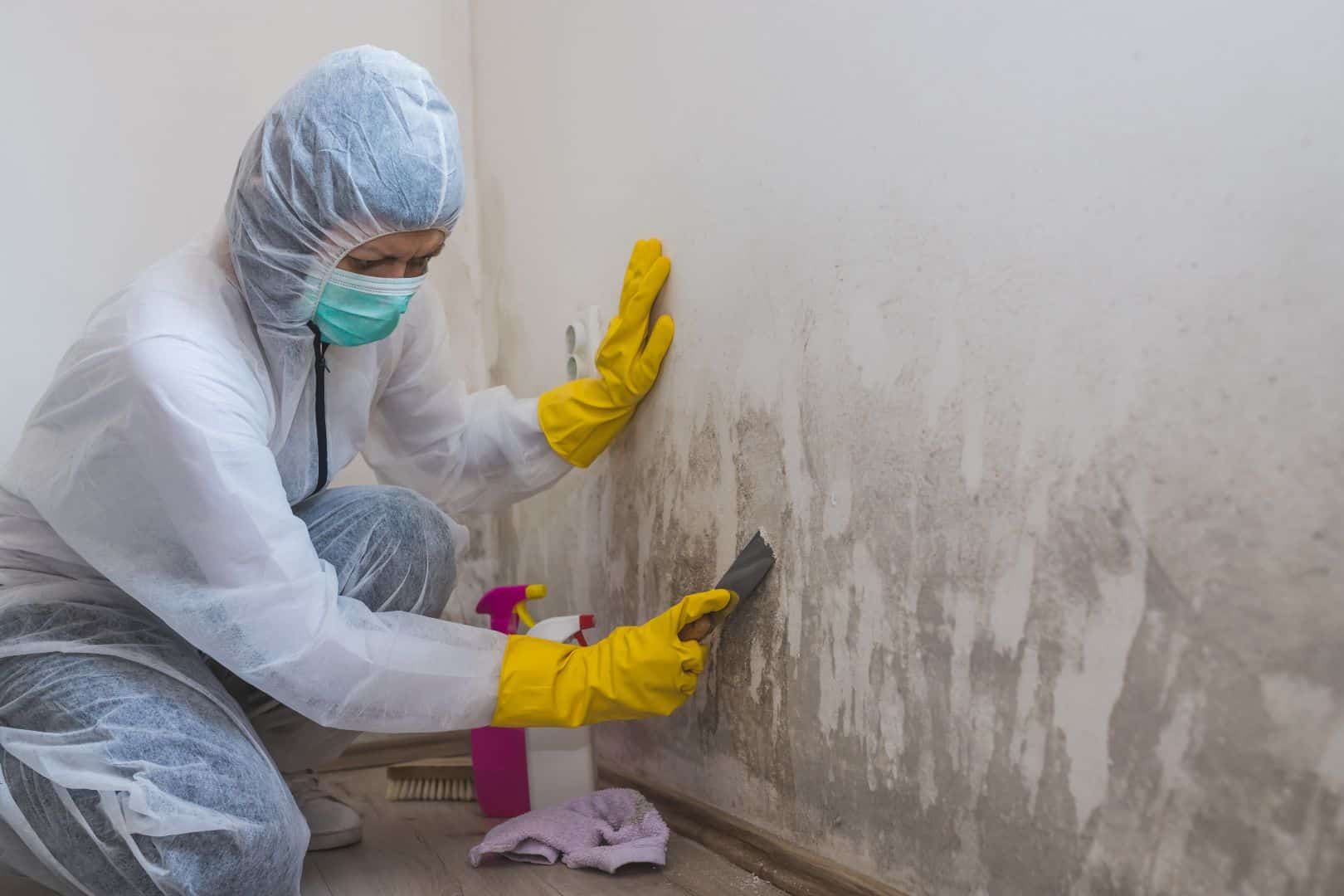
A mold endorsement (sometimes called a mold rider) is an add-on to your policy that gives you limited coverage for mold remediation—typically only up to a specific dollar amount. This can range from as little as $1,000 to $10,000 depending on your state and insurer.
But this coverage still only kicks in if the mold was caused by a covered peril. You can’t buy a mold rider to cover issues caused by poor maintenance, slow leaks, or humidity. It’s more like an extension of your existing water damage protection, not a standalone policy.
For example, Florida is one of the most mold-prone states in the U.S. Due to high claim volumes and risk, most insurers there place stricter caps on mold claims unless a special endorsement is purchased.
What Mold Riders Do Not Cover:
- Mold from long-term roof leaks
- Mold due to poor air circulation
- Any situation not tied to a covered water event
- Health claims due to mold exposure (more on that later)
The endorsement may also include its own deductible, which could be separate from your main homeowners deductible. That means even if you’re technically covered, your out-of-pocket costs might still be significant.
Is It Worth Adding?
That depends. If you live in a dry climate and keep up with home maintenance, mold might not be a major concern. But if your home is older, has a history of leaks, or you’re in a state like Texas, Florida, or Louisiana, where mold claims are common, the added protection may be well worth the premium.
Policyholders should request written clarification on mold limits and exclusions before signing or renewing coverage. These add-ons can vary not just by state but even by ZIP code.

Flood Insurance vs Homeowners Insurance: A Critical Distinction
One of the most common—and costly—misunderstandings homeowners face is the difference between water damage and flood damage. They sound similar. But for insurance purposes, they are treated entirely differently.
What Is “Flood Damage” in Insurance Terms?
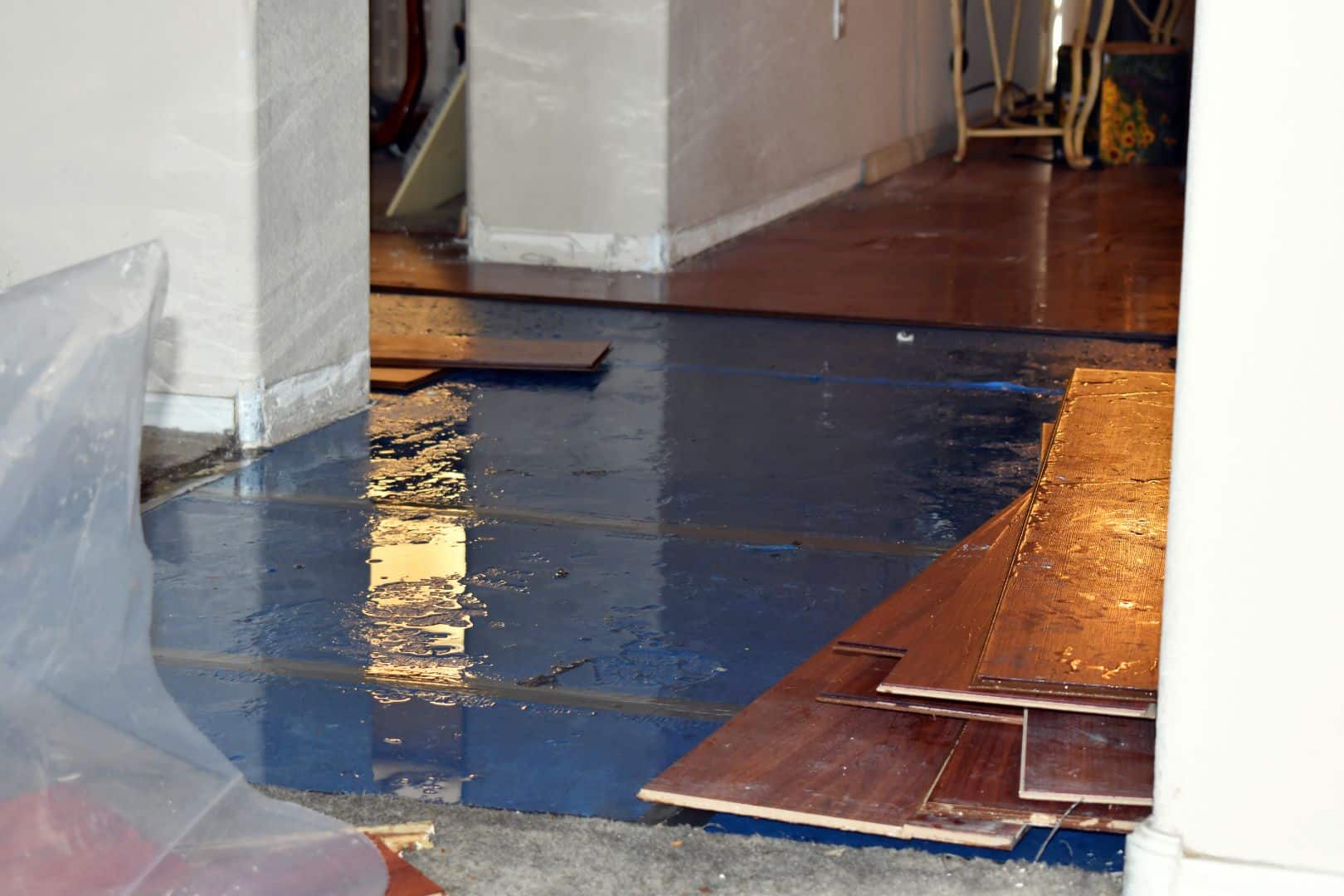
Flood damage refers to water entering your home from outside. That includes storm surge, overflowing rivers, heavy rainfall that causes ground saturation, or water pooling around your foundation.
Even just a few inches of floodwater can cause thousands of dollars in structural damage and create perfect conditions for mold growth.
Unfortunately, standard homeowners insurance does not cover flood damage or mold caused by floods. If water seeps in through doors or the foundation during a rainstorm, it’s not considered a covered peril under most policies.
That’s where a separate flood insurance policy comes in.
What Flood Insurance May Cover
Flood insurance through the NFIP or a private carrier may help pay for:
- Structural damage caused by flooding
- Damage to personal belongings
- Some costs related to mold remediation are caused directly by the flood
However, coverage is still limited. Many flood policies don’t fully cover mold or mildew unless the homeowner takes reasonable steps to prevent it or address it quickly. If you evacuate and don’t return for two weeks, for instance, mold may be deemed preventable.
Bottom Line
If you live in a flood-prone area, you need both homeowners insurance and a separate flood insurance policy to be protected from water-related mold damage. Relying on one alone can leave you dangerously exposed.
Filing a Mold Insurance Claim: Step-by-Step
You’ve discovered mold. It’s not something you can ignore, and it might be growing behind the walls or under the flooring. If you think you might be covered, it’s important to act fast and follow the right steps to protect your chances of a successful claim.
1. Stop the Source of Water (If Active)
If you can identify the source, such as a leaking appliance, pipe, or window, shut it off or contain it as best you can. This shows your insurer you’ve taken action to prevent further damage.
2. Document Everything
This is critical. Take clear photos of the water source, the mold damage, and any property that may be affected. Include timestamps, if possible. Keep notes of when the damage occurred and when you noticed it.
Your insurer is going to look at timing very closely; mold left unaddressed is often considered neglect, not a covered loss.
3. Notify Your Insurance Company
Contact your insurance provider as soon as possible—ideally within 24 to 48 hours of discovering the issue. Most policies require “prompt notice,” and delays can be used as grounds to deny the claim.
Provide them with:
- A detailed description of what happened
- Your supporting photos and documents
- Any emergency repair invoices (if applicable)
4. Get a Professional Mold Inspection (If Advised)
Depending on the severity, the insurer may send out an adjuster or ask you to get an independent inspection. Do not start full remediation without insurer approval, unless there’s a safety risk or the damage is spreading rapidly.
Tip: make sure your mold remediation contractor is certified and licensed, especially if your state requires it. Insurers often deny coverage for work performed by unqualified contractors.
5. Cooperate During the Investigation
Expect questions. Your insurer may ask about past maintenance, prior leaks, ventilation systems, or even appliance maintenance records. Stay factual, provide what they request, and don’t speculate.
If your claim is denied and you believe it should have been covered, you can request a reconsideration in writing or consult a policyholder attorney who specializes in insurance disputes.
Mold Coverage in HOA Properties: Who Is Responsible?
If you live in a condo, townhouse, or any HOA-governed community, mold coverage is a different game entirely. In these situations, responsibility for mold damage depends on where the damage occurs and what the governing documents say.

Common Area vs Unit Interior
Generally speaking:
- The HOA is responsible for mold damage in common areas such as hallways, roofs, exterior walls, and shared plumbing lines.
- You, the unit owner, are responsible for mold inside your individual unit, including personal property and finishes like flooring or cabinetry.
This division sounds straightforward, but the details often aren’t. For instance, if mold starts in the wall cavity due to a failed roof, but spreads into your unit, who pays? The answer depends on the language in the CC&Rs (Covenants, Conditions & Restrictions), which define insurance and maintenance responsibilities.
How HOA Insurance Works
Most HOAs carry a master insurance policy that covers damage to shared property and certain structural elements. If the mold is caused by something covered under that policy, like a burst pipe in a shared wall, the HOA’s insurance may handle it.
However, it may not cover mold remediation inside your unit unless explicitly stated.
If your personal policy (an HO-6 or “walls-in” policy) excludes mold or has a very low sublimit, you could be on the hook for thousands in cleanup costs, even if the source came from the HOA side.
Best Practices for HOA Members
- Review both your own policy and your HOA’s master policy
- Check your CC&Rs for specifics on mold responsibility
- Document all communication if you report mold to the board or management
- If the HOA delays or denies responsibility, consider consulting a real estate attorney who has handled HOA insurance disputes
Mold Claims and HOA Legal Considerations
In HOA-governed communities, mold claims often go beyond simple maintenance questions; they can become legal disputes. The blurred line between personal and shared responsibility makes it hard to figure out who should act, who should pay, and how fast.
Board Obligations and Legal Risk
HOA boards have a legal duty to maintain the common elements of a property. That includes shared plumbing systems, roofs, exterior walls, and sometimes insulation and ventilation. If mold begins in or is caused by a failure in one of these areas, and the board delays or fails to act, it could be held liable.
But that’s rarely straightforward. Delays are common, especially when boards hesitate to approve mold inspections or request multiple bids. While this might seem fiscally responsible, it can backfire if mold spreads or causes health concerns in the meantime.
If a homeowner can show the HOA failed to maintain shared property or didn’t respond in a timely manner after being notified of an issue, they may have grounds for legal action.
Notice and Response Are Everything
Many HOA disputes start not with mold, but with how and when the board was notified. If a unit owner alerts management about a leak or visible mold and the HOA doesn’t follow up quickly (or at all) they risk liability.
But the same is true for the owner. Failing to report an issue promptly or attempting self-remediation without permission can lead to finger-pointing later.
Best practice:
- Keep everything in writing.
- Email your HOA with details and photos.
- Follow up. Request confirmation.
- If you don’t receive a response, escalate—first to the property manager, then to the board.
Health Concerns, Testing, and “Toxic Mold” Claims
Mold’s impact isn’t just financial. For some homeowners, it becomes a health concern, especially when the words “black mold” or “toxic mold” start showing up in conversations or reports.
This adds a new layer of complexity. Insurers are typically reluctant to pay for mold-related health claims, and most policies specifically exclude bodily injury caused by exposure to mold, mildew, or fungus.
Is “Toxic Mold” a Real Category?
“Toxic mold” isn’t a classification recognized by insurance companies. It’s a phrase used in popular media and sometimes by attorneys, but the more accurate term is “mycotoxins”—toxins produced by certain mold species, such as Stachybotrys chartarum (commonly called black mold).
While these molds can trigger allergic reactions or worsen asthma, proving that they caused a medical condition is difficult, especially in legal or insurance contexts.
Mold Testing and Air Quality Reports
Some homeowners choose to bring in specialists to perform mold testing or indoor air quality evaluations. These tests can cost anywhere from a few hundred to over a thousand dollars, depending on the scope.
But don’t assume your insurer will reimburse you. Most homeowners policies don’t cover testing costs unless:
- The mold was caused by a covered peril
- The insurer pre-authorized the testing
- The test was required by the claims adjuster
Even then, reimbursement may be partial or denied altogether.
If health concerns are serious or affect a vulnerable resident (such as children or the elderly), it may be wise to consult your doctor and an environmental health specialist.
Just know that making a health-based claim against your homeowners policy is unlikely to succeed unless the policy includes specific coverage for mold-related health issues, which is extremely rare.

How to Reduce Mold Risk and Protect Future Insurance Claims
The best mold claim is the one you never have to make. Insurers love to say “mold is preventable,” and while that’s not always true, there are steps every homeowner can take to reduce risk and protect their chances of getting help if something does go wrong.

Step 1: Keep Moisture Out
This is obvious but essential. Mold needs moisture to grow, so stopping water intrusion is the single best prevention strategy.
- Clean gutters regularly and keep water draining away from your foundation
- Inspect roof flashing and shingles after major storms
- Seal windows, doors, and basement walls
- Ensure your A/C system and water heater are well-maintained
In humid climates, running a dehumidifier in basements and bathrooms can make a significant difference.
Step 2: Know Your Weak Spots
Some homes are more vulnerable than others. Pay attention to:
- Crawlspaces and attics
- Behind appliances like dishwashers and washing machines
- Areas under sinks, especially if you have older plumbing
- Any place where past water damage has occurred
Do a visual check every few months. Use your nose; a musty smell often appears before visible mold does.
Step 3: Act Quickly and Document Everything
If a leak or water issue occurs, act fast. Insurers often deny claims simply because the issue wasn’t reported quickly enough. Even if you’re unsure whether it will become serious, notify your insurer and document the situation.
Take photos. Save receipts. Get a plumber’s statement if applicable. These small steps can help your case tremendously if a claim needs to be filed later.
Step 4: Review Your Policy Annually
Mold coverage isn’t just about prevention; it’s about preparation. Once a year, review your policy:
- Check whether mold is excluded or limited
- Ask your insurer about endorsements or riders
- Understand your deductibles and coverage caps
- If you live in an HOA, coordinate your policy with the HOA’s master policy
This kind of proactive approach saves money and gives you peace of mind.
Common Mold Insurance Myths That Cost Homeowners Money
When it comes to mold and homeowners insurance, bad assumptions lead to bad outcomes. Many people don’t read their policies closely until it’s too late—and by then, the damage (and the denial) is already done.
Let’s clear up some of the most common myths that can cost you big.
1. “If I have homeowners insurance, mold is always covered.”
This one is widespread and dangerously wrong. Homeowners insurance only covers mold if it’s caused by a covered peril—like a sudden pipe burst. Anything gradual, like a slow leak, poor ventilation, or high humidity, is likely excluded. And even when mold is covered, most policies impose tight dollar limits.
2. “Black mold is automatically a health hazard, so insurance will pay.”
The term “black mold” sounds scary, and it can be harmful in certain cases, but insurers don’t provide extra coverage just because a mold species sounds dangerous. Health-related claims tied to mold are usually excluded unless you have a rare, specifically endorsed policy.
3. “Home warranties cover mold damage.”
Home warranties typically cover appliances and major systems—things like your HVAC or dishwasher—not structural or environmental damage. If your A/C leaks and mold forms, the warranty might help fix the A/C, but not pay for mold cleanup.
4. “HOA insurance covers everything in a condo.”
This is a risky belief. Most HOA master policies only cover the building shell and shared infrastructure. Anything inside your unit, like drywall, flooring, or cabinetry, could be your responsibility, including mold. Review your CC&Rs and your own “walls-in” policy before assuming you’re covered.
Key Questions to Ask Your Insurance Company About Mold
Even if you think you understand your policy, it pays to ask a few targeted questions to remove all doubt. Mold coverage is nuanced, and insurers don’t always explain exclusions clearly until you’re already facing a claim.
These questions can help you surface important gaps before mold shows up:
1. What causes of water damage are considered “covered perils”?
Not all water damage is created equal. Ask your provider to walk you through which scenarios they cover and which they don’t. Confirm that sudden pipe bursts, appliance leaks, or storm damage are included, and ask whether coverage is limited based on timing or cause.
2. Is mold explicitly excluded—or just capped?
Some policies exclude mold entirely, while others include limited coverage through a built-in sublimit (like $5,000) or a separate endorsement. Make sure you know which category your policy falls under, and ask what your options are for increasing that limit.
3. Are there special deductibles for mold?
You might have a $1,000 deductible for most claims, but some insurers add a separate, higher deductible for mold-related claims. That detail is often buried in the policy’s fine print. Clarify this so you’re not caught off guard later.
4. If mold starts in a shared wall or ceiling, who handles the claim?
If you’re part of an HOA, ask your agent how coverage works in areas that are considered common elements. Get clarity on where the master policy stops and your personal HO-6 policy begins. This is especially important in condos and townhomes.
5. What documentation is required if I ever file a mold claim?
Understanding the process before disaster strikes can save you time and stress. Ask how quickly you need to notify them after discovering water damage, what kind of documentation they expect, and whether they require an approved remediation contractor.
Frequently Asked Questions (FAQs)
1. Can you claim on house insurance for mold?
Yes, homeowners insurance may cover mold if it is caused by a covered peril, such as a sudden pipe burst or storm damage. Mold from long-term leaks, humidity, or neglect is typically excluded. Coverage is often limited and subject to strict conditions and reporting timelines.
2. Should I tell my insurance company about mold?
Yes, you should notify your insurance company as soon as you discover mold or water damage. Prompt reporting is often required under policy terms, and delays can result in claim denial. Early notification also allows the insurer to guide inspection and remediation steps.
3. What is considered toxic mold?
“Toxic mold” generally refers to mold species that produce mycotoxins, such as Stachybotrys chartarum (black mold). While it can cause health issues in some individuals, insurance policies typically do not differentiate coverage based on mold type and often exclude mold-related health claims entirely.
4. Is it unhealthy to live in a house with mold?
Yes, mold exposure can cause health issues, especially for individuals with allergies, asthma, or weakened immune systems. Symptoms may include respiratory problems, irritation, and fatigue. Prolonged exposure increases risks, so mold should be addressed quickly to maintain a safe living environment.
5. Can mold behind walls make you sick?
Yes, mold behind walls can release spores into the air, potentially causing respiratory issues, allergic reactions, and other health problems. Because it is hidden, it may go unnoticed for long periods, making early detection and proper remediation important for maintaining indoor air quality.
6. What are common mold hiding places?
Common mold hiding places include behind walls, under sinks, inside HVAC systems, attics, basements, and around windows or roofs with leaks. Mold thrives in dark, damp areas with poor ventilation, making regular inspections and moisture control essential for prevention.
Final Takeaway: Mold Coverage Isn’t Automatic—But Preparation Is
Mold may be common, but it’s anything but simple when it comes to insurance. Coverage depends on how it started, how fast you acted, and what your policy actually says. The fine print matters, especially when thousands of dollars in cleanup and repairs are on the line.
If you live in an HOA, you’re navigating a second layer of rules and responsibilities that aren’t always spelled out clearly. That’s where many homeowners get blindsided—assuming coverage exists, only to find out too late it doesn’t.
Now is the time to review your policy, talk to your insurer, and make sure your coverage reflects the risks your home faces. If your situation is more complex, or you’ve already run into mold and coverage questions, getting professional advice could save you a lot of money and conflict.
Need help understanding your HOA’s role in mold claims or insurance disputes? Our members get unlimited personal support from an HOA attorney, plus access to guides, templates, and expert help when it matters most. Join today and take the guesswork out of managing your home and community.

